
Making sustainable packaging simpler for restaurants
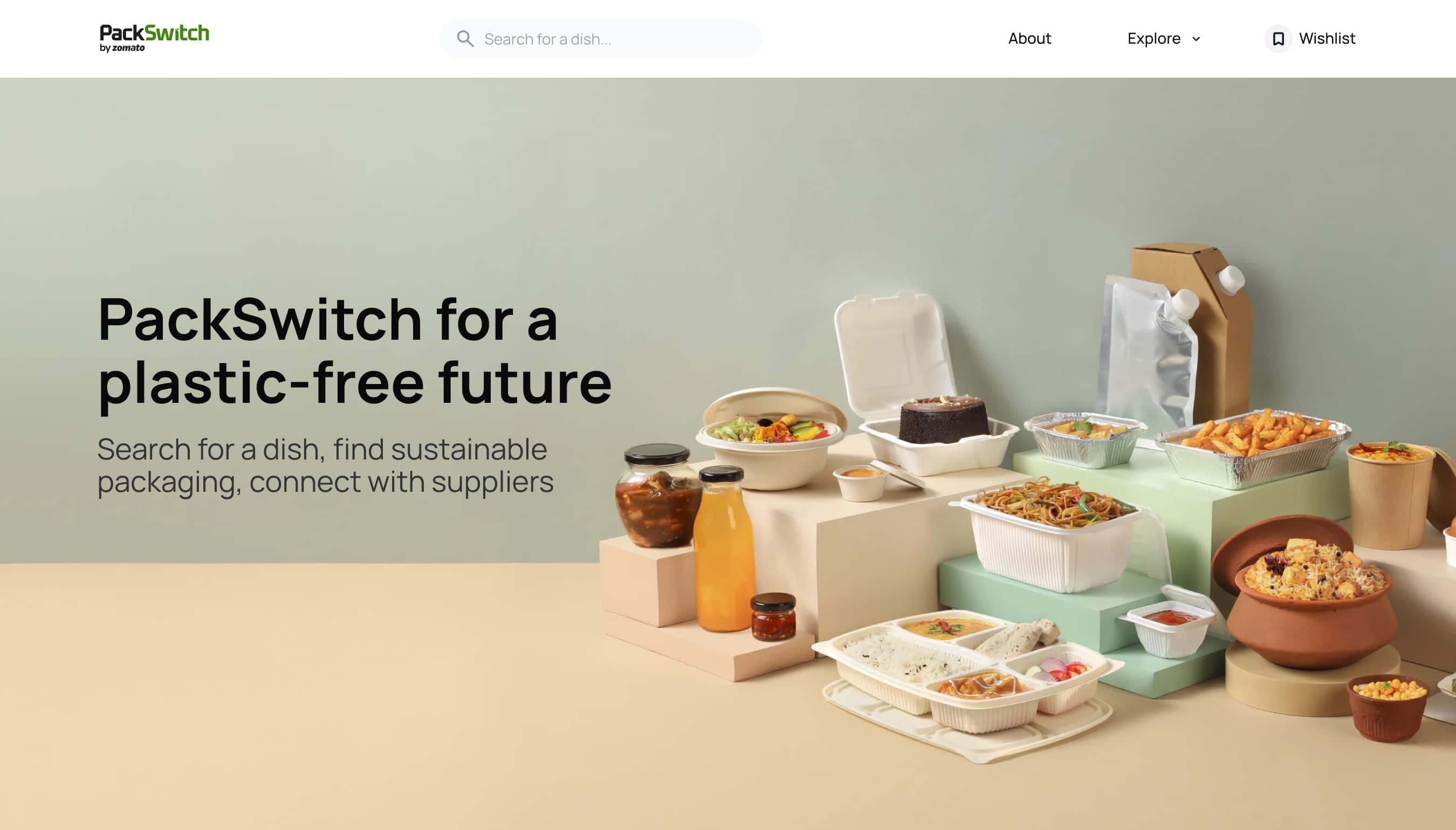
Every restaurant wants their food to reach customers fresh, hot and without any spillage. Choosing the right packaging is a big part of making that happen.
For years, plastic packaging has been the easy default. It is practical, affordable and sturdy enough to handle almost anything a restaurant packs in it. But consumers are increasingly asking for food that arrives packed in less and less plastic.
Restaurants looking for more sustainable alternatives often look at paper as the obvious next step. But one material cannot work for every dish.
A curry, a burger, a dessert and a drink all have different packaging needs. Restaurants needed more choices and more importantly, a simple way to figure out what works for their menu items and where to find reliable suppliers.
That is where things get complicated. Alternative sustainable food packaging exists, but knowing which material to choose, who could supply it and whether it would hold up in food delivery isn’t always easy.
We heard these questions from restaurant partners across the country and saw an opportunity to make the process simpler.
That idea became PackSwitch.
What is PackSwitch?
PackSwitch is an interactive website designed to help restaurants find sustainable packaging options best suited for different menu items. Restaurants can use the website to understand how different packaging materials perform for different food items and connect with verified suppliers in three simple steps:
- Choose your dish - packaging performance starts with what is packed inside it
- Explore suitable packaging materials - see which material handles that food category best and why
- Connect with verified suppliers - explore sourcing options from the list of verified suppliers
Why explore PackSwitch?
The right sustainable packaging depends on what you are serving.
Food behaves differently once it is out for delivery. A biryani box has to deal with steam. A curry container has to be spill proof, a pizza box needs to let heat escape without turning the crust soggy. A dessert box needs to stay sealed while keeping the presentation intact.
Switching to sustainable packaging isn’t simply about replacing one material with another. It is about finding what works for your food, your delivery journey and your business.
That’s where PackSwitch can help. It brings together different packaging materials and explains what they are suited for, how they perform in delivery and what trade-offs to consider.
There is a fair bit to choose from. Some of the options you will come across include:
- Bagasse
- Aluminium
- Areca
- Compostable plastic
- Earthenware
- Glass
- Paper (kraft and/or coated)
Once you know what you are looking for - PackSwitch also helps you take the next step: connecting with a network of 100+ verified suppliers across India.
In short, PackSwitch helps answer three simple questions:
- What should I use?
- Why does it work?
- Where can I get it?
A quick example
Say you run a cloud kitchen serving Hyderabadi biryani. The plastic container kept the steam in a little too well, but a few customers mentioned the rice arrived mushy or sticky. You took note and tried switching to a paper box, only to find oil seeping through the bag.
It is a fairly common packaging problem and usually just a mismatch rather than a dead end. Some paper-based boxes aren't coated to handle oil and steam together, while others are designed with exactly that in mind.
Why does this choice matter?
Choosing the right packaging supports sustainability and your business, in several ways:
- It builds customer experience: Packaging is often the first physical touchpoint a customer has with a restaurant. The materials and design choices reflect a brand’s values and attention to detail. As customers become more aware of sustainability, thoughtful packaging can strengthen trust and enhance the overall dining experience.
- It improves long-term economics: Choosing the right packaging for each dish and removing unnecessary components can reduce material use, make storage and transport easier and lower costs over time.
- It reduces packaging waste: Sustainable packaging materials are compostable or recyclable, provided they are disposed of through the right channels. Instead of being treated as waste after a single use, sustainable packaging materials can be recycled and reintroduced into the food delivery
- It improves compliance readiness: Restaurants that move towards sustainable packaging reduce their reliance on materials that may face increasing regulatory restrictions.
None of these choices may feel like a big deal on their own but they do add up over hundreds of orders a day.
Built with restaurants, for restaurants
PackSwitch builds on the momentum we have already seen through Zomato's Plastic-Free Future initiatives. Since December 2024, the Plastic-Free Future Program has recognized more than 10,000 restaurants across 500+ cities for using alternatives to plastic packaging for their main menu items. As of March 31, 2026, restaurants part of the program have collectively delivered over 100 million ‘low plastic packaging’ orders.
PackSwitch aims at widespread adoption of sustainable food delivery packaging by restaurants across the country.
Start exploring
PackSwitch brings the information, the options and the suppliers together in one place, so that decision feels a little less like a guess.
Whether you are taking your first step towards sustainable packaging or refining what you already use, we hope PackSwitch helps you find the right fit for your menu.
Explore PackSwitch →